How Grandparents Help Counter Kids’ Growing Mental Health Challen
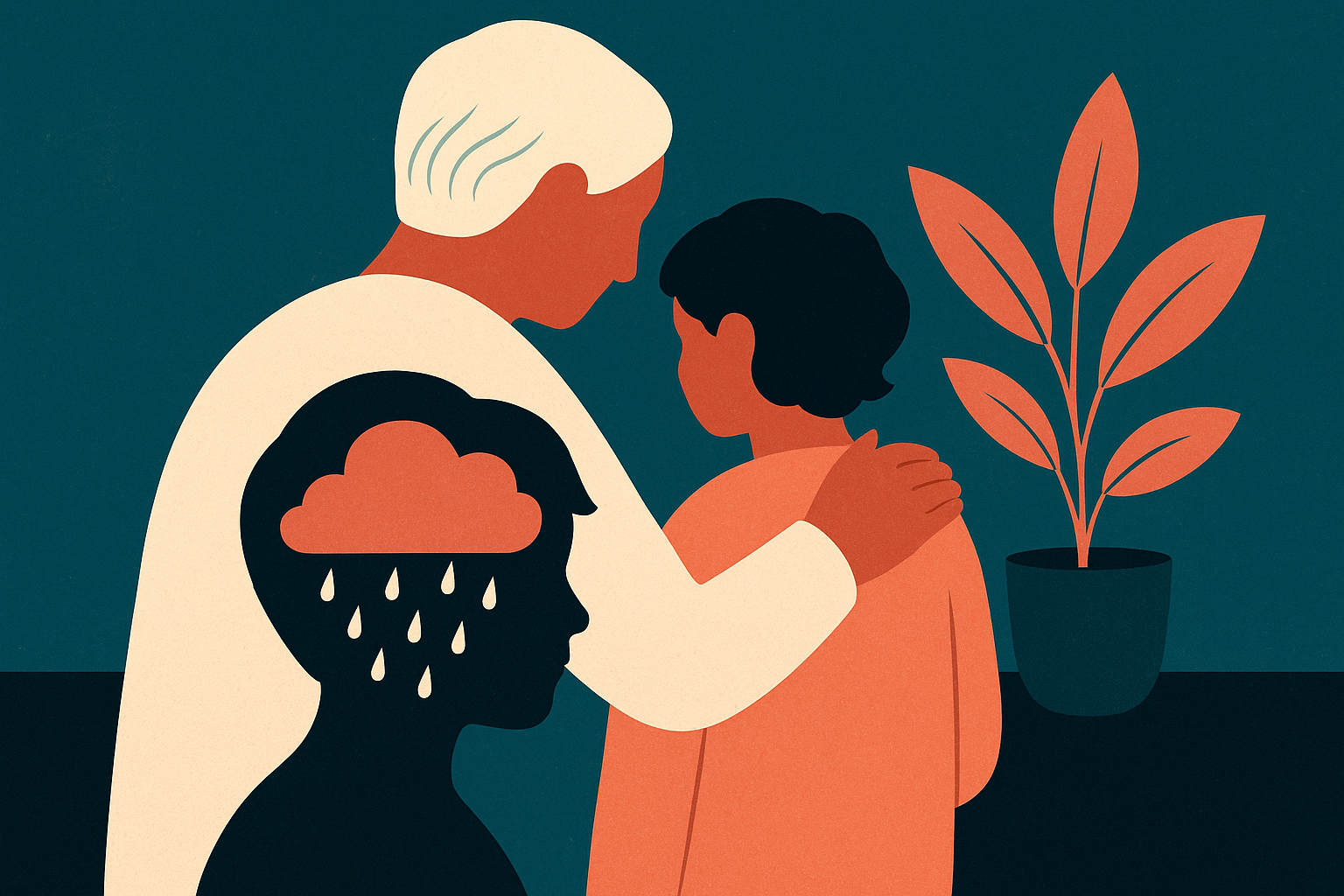
Grandparents can help counter children’s mental health struggles by offering steady support, calm presence, and connection during tough times.

Horizon by Wellnest
How Grandparents Help Counter Kids’ Growing Mental Health Challenges
Summary of Issue
When we're watching our kids day to day, we sometimes notice subtle shifts that worry us. Maybe they seem quieter than usual or pull away from activities they once loved. Sleep might get restless, or moods swing more than before. These changes aren’t always dramatic at first, but they add up and affect how our children feel inside. We might catch them struggling to talk about their emotions or see them getting frustrated more easily. It's not always clear what’s behind these behaviors, but we know something’s off. Our kids are facing more pressures than ever, and these signs often hint at deeper struggles. We want to help counter those feelings of sadness or anxiety before they grow bigger, but figuring out the best way forward can feel overwhelming. Observing these shifts is our first step toward understanding what our children truly need.
Why do our kids act differently when they’re struggling inside?
Sometimes, our children show signs that something’s bothering them, even if they don’t say it out loud. We might notice they’re quieter, less interested in their usual hobbies, or seem more irritable than before. These changes often reflect feelings of sadness, worry, or stress that they can’t easily express. When kids pull away or have trouble sleeping, it’s their way of coping, even if it’s hard for us to understand. Grandparents and family can play a key role to help counter these struggles by offering steady support and a sense of safety that kids really need right now.
Why This Matters
Why do we sometimes miss what’s really going on?
Parents often think kids are just being difficult or lazy when behavior changes pop up. We might blame moodiness or assume they’ll “get over it.” But these signs usually point to deeper feelings kids can’t explain. We want to fix things quickly, but that’s not how mental health works. It takes patience and steady support—something grandparents and family members often provide naturally. They help counter misunderstandings by showing kids they’re not alone, even when words fail.
Mental Health Implications
How does mental health affect our kids’ daily lives?
When children face mental health challenges, their whole world can feel off balance. They might struggle with focus at school, lose interest in friends, or have trouble managing emotions. According to CDC Youth Risk Behavior Survey data, nearly one in five teens reports persistent feelings of sadness or hopelessness. That’s a lot of young people carrying heavy feelings. We often see these struggles spill into behavior changes that confuse us. Grandparents and family members can help counter these effects by providing consistent comfort and understanding. Their presence offers a steady anchor, helping kids feel less alone when emotions get overwhelming. It’s not always easy to spot, but these mental health impacts touch every part of a child’s day.
Professional Insight
- Set aside quiet moments each day to check in with your child. No pressure, just listen to whatever they want to share.
- Invite grandparents to join family meals or activities. Their calm presence often helps kids relax and feel understood.
- Create a simple, predictable routine at home. Consistency around bedtimes and meals can ease anxiety and mood swings.
- Encourage grandparents to share stories or hobbies with your child. This builds connection and offers positive distractions from stress.
- Notice small wins together, like finishing homework or playing nicely with friends. Celebrate these moments to boost your child’s confidence.
When should we reach out for professional support?
If your child’s sadness or anger lasts more than a few weeks or worsens, it’s time to get help. Also watch for trouble sleeping, withdrawal from family, or talk about hurting themselves. When behaviors start to interfere with school or safety, don’t wait. Reach out to a mental health specialist who can guide us through next steps and offer tailored support.
How Horizon by Wellnest Can Help
Initial AssessmentClick here
When you reach out to Horizon by Wellnest, we start with a thorough assessment to understand your child's unique needs. This helps us figure out what’s going on beneath the surface and what kind of support will work best. We listen carefully to your concerns and observe how your child interacts in different settings.
Tailored Therapy PlanBook a Session
Next, we design a therapy approach just for your family. Whether it’s counseling sessions or cognitive-behavioral therapy, we focus on strategies that fit your child’s personality and challenges. We want to make sure the plan feels manageable and meaningful, not overwhelming.
Parent Coaching & SupportBook a Session
We don’t stop with the child. Our parent coaching helps you learn practical ways to support your child’s emotional health at home. We share tools and insights so you feel confident in guiding your child through ups and downs.
Follow-up Care
After therapy sessions, we keep in touch to check how things are going.
Citations: News-Medical (2026)
Internal Links
Take the Next Step
We know it’s not always easy to figure out the best way forward when your child’s emotions feel overwhelming. That’s why we’re here to listen and support you both. If you’ve noticed changes that worry you, call us this week and we’ll set up a time to talk through what you’re seeing and explore how grandparents and family can help counter those challenges. You don’t have to navigate this alone—we’ll work with you to find practical steps that fit your family’s needs.
Contact UsHorizon by Wellnest Clinical Content Team
Our editorial team is composed of licensed therapists, counsellors, and mental health advocates committed to making quality psychological knowledge accessible to every family.
Disclaimer: This content is for educational purposes only